
1. Torch

Let’s start with the most obvious. Torch is one of the most well-known and well-loved deep web search engines there is, and it’s also one of the largest. They say that their index covers more than a million deep web page results, even if that’s only because they’ve been around the longest. It makes for a great multi-purpose search engine whatever you’re looking for.
2. Ahmia.fi

Ahmia.fi is one of the best search engines for newbies who are just getting started. It’s super easy to pick it up and start searching, and it can search the regular web as well as the deep web. It’s not a bad idea to set it as your browser’s homepage so that it’s there and ready to go. Plus you can use it as a regular browser while you’re still new to the deep web and then take advantage of some of its more advanced functionality later on when you know your way around.
3. ParaZite
ParaZite is a little bit like the earliest incarnation of Yahoo!, back when it was more of a repository of links than an actual search engine. If you’re only searching because you’re browsing around, this is the search engine for you. You can even use it to load up a random page from the deep web, which is a great way to discover new sites without actively searching them out and looking for them.
4. notEvil
If notEvil looks familiar then that’s because it’s designed to look like Google. The iconic tech company’s internal slogan is “don’t be evil”, which explains where this site gets its name from. It’s a decent generic search engine for navigating the deep web and does a great job of providing a clutter-free interface that just works.
5. Candle
In case you can’t tell, Candle is another of the deep web’s Google equivalents. It takes its name from the fact that it shines a light into the darkness that is the deep web, and it currently indexes over 100,000 .onion results. It uses the same methodology as Google to search for and index results pages, and it’s a great little engine if you only want to search for results on the deep web with none of that ‘regular web’ rubbish thrown in with it.
6. DeepSearch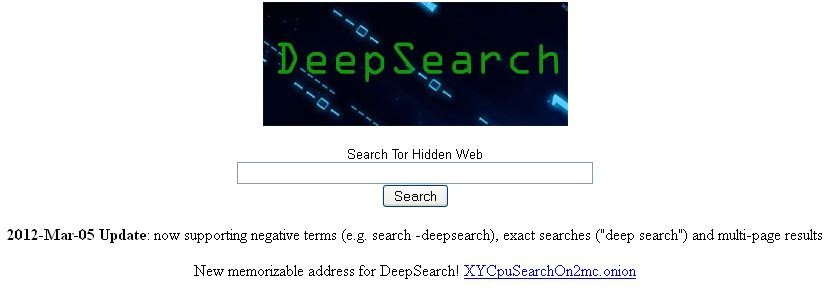
This one does what it says on the tin. As well as providing a decent little search engine for people to use, DeepSearch also provides updates on new pages that have been added to their index alongside lists of commonly searched terms. If nothing else, they make for an interesting read – but they also tie in with the search engine’s mission to make the deep web more open. If you like data, you’ll love DeepSearch.
7. Complete Planet
Complete Planet is a little different in that it’s a hybrid search engine directory that aims to make it easier than ever to access databases. Its massive index has picked up on over 70,000 searchable databases covering all sorts of topics from literature and sports to science and religion. It also offers many of the same filtering and sorting options that we’ve come to expect from regular search engines, but you can also use it to casually browse through by digging into a category of your choice and seeing what sites are indexed.
8. The Internet Archive
If you’ve spent any amount of time on the internet then you’ve probably already come across the Internet Archive. Its database includes a huge amount of information from the deep web, and you can even explore over 279 billion web pages as they appeared over time. You could literally spend hours on there just browsing through different databases and looking at the clunky UX of old websites.
9. Searx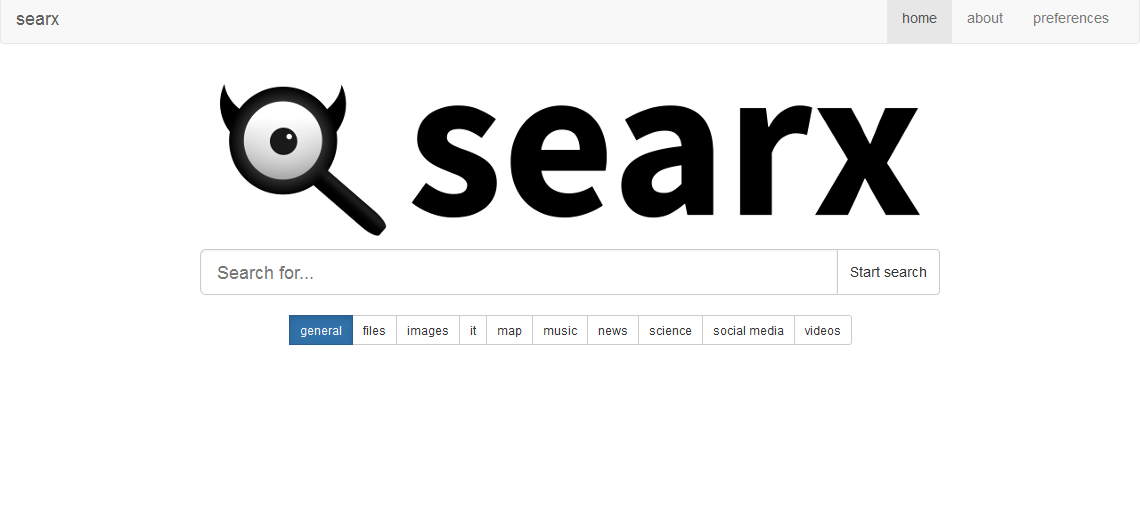
Searx is a beautiful little search engine with an approachable design and all of the functionality you’re likely to need. The interesting thing about it is that it’s not a search engine for the deep web, but rather a deep web based search engine for the regular World Wide Web. It’s designed to provide absolute anonymity when people use it, which means that it’s a safe bet for when you’re worried about surveillance. For example, if you’re a horror writer and you want to learn how long a body takes to degrade, you can search for it without having a knock on the door the following day.
10. Google Books
Google Books is technically one of the biggest deep web databases out there. It has access to millions of books from all over the world – 25 million, according to one source. You can open them up and look inside and access all sorts of data that you might not be able to find anywhere else – unless you happen to have your own massive library with 25 million books in it.

An Engineering student who is passionate about blogging and hacking .
1 comments:
Click here for commentsTook me time to read all the comments, but I really enjoyed the article. It proved to be Very helpful to me and I am sure to all the commenters here! It’s always nice when you can not only be informed, but also entertained! deep web
ConversionConversion EmoticonEmoticon